

The 80% stall
Why 'nearly done' is the hardest place to be


Hi there writing friends, Chris here
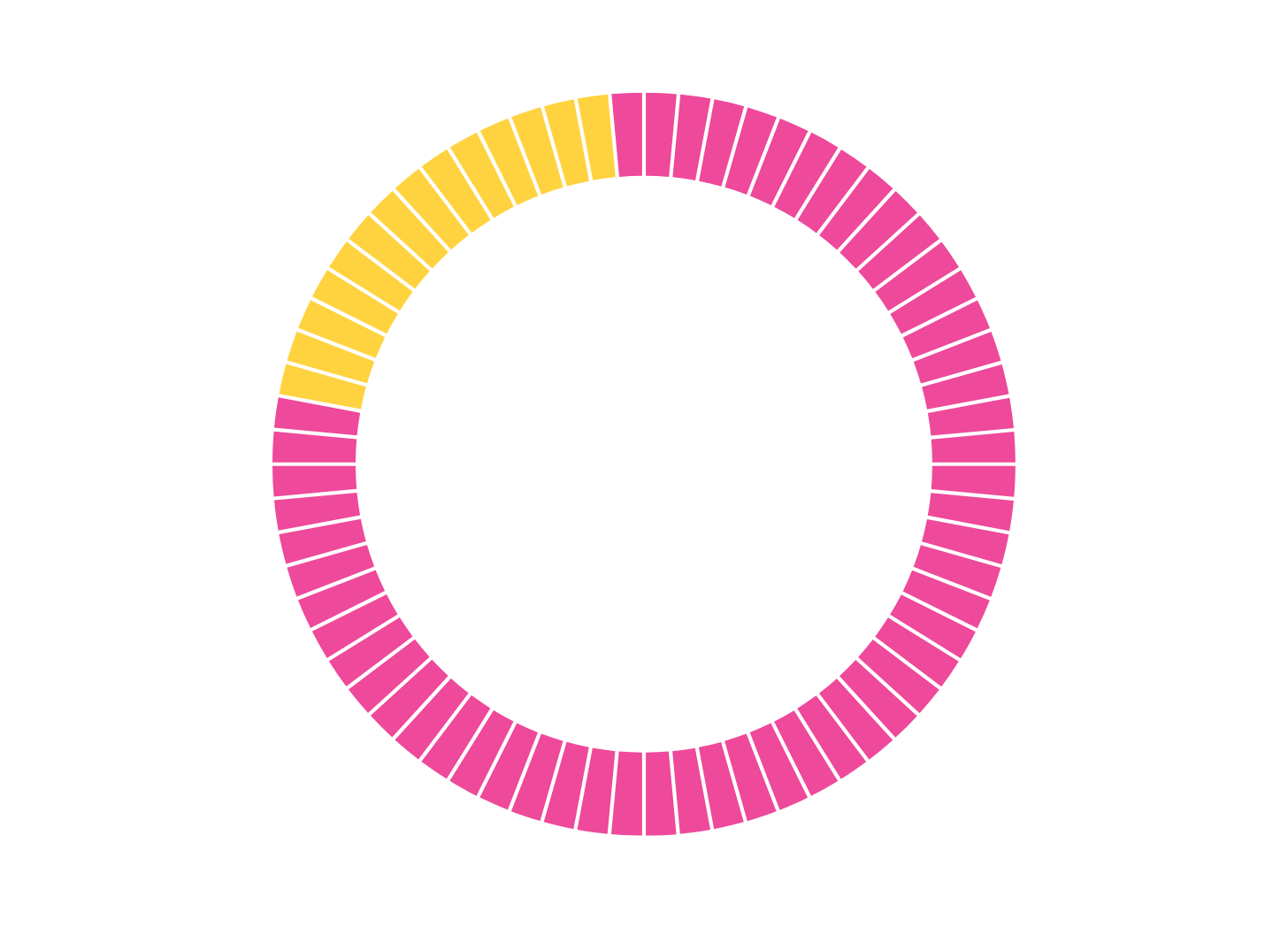
We’ve been writing (and re-writing) the proposal for our next book for longer than I care to remember. We’re close to finishing - but we’re very far away at the same time. We’re about 80% there, but 80% isn’t good enough. It’s hard to take comfort from that.
It’s like having a jigsaw with 20% of it missing and you don’t know where any of the pieces are. Have they been eaten by the dog? Maybe you’ll never find them? It doesn’t feel like the hard work is behind me. If it takes us so long to write a proposal (it’s about 13 pages) how long is the whole darn book going to take?
We heard back from our agent last week with some extremely helpful, encouraging and insightful feedback. But the type of feedback that also makes you feel like you’re going back to the drawing board (or feel like hiding under a duvet).
There’s a phase in most projects where the work is no longer new, but not yet finished. The idea exists and you can describe the project to someone else without much trouble. And yet progress slows to a snail’s pace. This is the point where many writers (myself included) start to wonder what’s gone wrong. Why was it going so easily a few weeks ago? Maybe the whole idea is rubbish? Why does something that is ‘basically there’ now feel so difficult to complete?
That’s because the task has changed.
The first 80% of a project is often about generation - producing words, discovering the shape of the thing. The first 80% is very visible. The page fills. You can see progress.
The final 20% is about judgement and refinement - and this phase works differently. It involves tightening, editing and shifting things around. It’s less about writing more and more about ruling things out. The number of words you have might even fall. The usual signals of progress go quiet or reverse entirely.
You’re working just as hard - possibly harder - but the feedback loop that kept you going in the first phase has evaporated. Hours of careful revision can leave a piece looking almost identical to how it started - sometimes worse. That doesn’t mean nothing happened. It means you’re doing the most demanding work of the whole project.
Which is also why finishing is often harder than starting (and starting is not easy either). Starting is creation, an act of addition - you have something where you had nothing. Finishing is an act of commitment. Early on, mistakes are cheap. Near the end, every choice feels more weighty.
So if you’re in the 80% stall like I am - if the work feels harder than it did when you were ‘just getting going’ - it might not be that something has gone wrong. It might be that you’ve moved into a different kind of work entirely.
That’s not nice, I know. It feels uncomfortable. But it might be exactly where you need to be.
Here’s to the last 20%.
Keep writing, Chris
P.S. If you liked this article please consider supporting us by subscribing or upgrading to a paid membership. When you do, you can join our 7-Day Writing Sprints and goal setting webinars across the year.
Alternatively, we’d be grateful for any likes, shares or comments you have.

Damn this is the piece I have needed for… who knows how long. I was so close for so long, but the finish line just keeps moving. What I thought would be a coda turned out to be another chapter. And now that I have a real full draft, I still have to work through getting images (HEADACHE) while keeping finding WEIGHTY mistakes that give me heart attacks.
Just knowing this is a thing brings the whole thing into perspective. That’s a start.